
Group III Base Oil Shortage: Fleet Maintenance Guide 2026
Every fleet manager knows fuel prices. Fewer have been watching the ingredient list inside the oil jug. That’s changing fast, because the base oil that goes into modern synthetic motor oil has been one of the tightest commodities of 2026, and the effects are now showing up in fleet maintenance budgets.
This guide explains where Group III base oil availability stands this month, which fluids are most exposed, and how to plan purchases and maintenance so your trucks, vans and service vehicles keep rolling. It also shows how Sauto Mobils can help with bulk and fleet-friendly sizes of diesel oil, passenger-vehicle synthetics, coolant and driveline fluids.
At a glance
Group III (Grade 3) base oil is the backbone of most full synthetic oils, and supply remains constrained.
Relief isn’t expected soon. Industry groups don’t project normal Group III supply until mid to late 2027.
Costs are rising. Fleets are already paying noticeably more for engine oil, and analysts expect further increases.
The smart move is to match your spec, standardize grades, buy ahead in bulk, keep a second approved source and track your oil analysis.
Sauto Mobils can’t create base oil. It can offer wide selection, case, pail and drum sizes and published bulk terms to help you plan.
What is Group III base oil, and why does “Grade 3” matter?
Motor oil is mostly base oil with a smaller share of additives. The American Petroleum Institute sorts base oils into groups, and you’ll often see people search for “Grade 3 base oil” when they mean API Group III.
Groups I and II are conventional, crude-derived base oils.
Group III is severely hydrocracked and highly refined, which gives it better stability and cold flow. It’s the ingredient behind most modern full synthetic and many synthetic blend oils.
Why it matters now: the Independent Lubricant Manufacturers Association (ILMA) calls Group III the backbone of modern full synthetic motor oils, essential to low-viscosity grades like 0W-20, 0W-16 and 0W-8. ilma
When Group III gets scarce, the oils that depend on it get scarce and expensive first.
Group III base oil availability this month: where things stand
The short version: supply is still strained, and November brought a small sign of movement but no all-clear.
A trickle of cargoes. Lubes’n’Greases’ November Base Oil Report says a small number of base oil cargoes, probably the first since the Strait of Hormuz closed in March, have made it out. Its October report said the Strait remained mostly closed to ship traffic and continued to disrupt the base oil market.
Prices are still pushing up. The weekly Americas report dated November 4 pointed to steep crude oil and feedstock prices and rising costs for energy, transportation and other inputs. Its European counterpart on November 3 described a week where crude and product prices escalated to new recent highs. See the base oil market coverage for the headlines.
The supply chain is still tightening. In an article published October 23, API said the Group III supply chain has tightened further since August, and some lubricant marketers may have to switch base oil sources because they can’t obtain the ingredients in their approved formulations.
Emergency flexibility is in place. API extended its Emergency Provisional Licensing for another 90 days starting October 1, letting engine oil marketers temporarily modify formulations when raw materials are unavailable, with testing, traceability and accountability requirements. Read the full report at Heavy Duty Trucking.
Normal is a 2027 story. ILMA’s outlook projects Group III supply normalization in mid to late 2027, with Group III-dependent synthetics likely the last to recover. ICIS told Axios that the market was expected to stay undersupplied through 2027, and that disruptions had sidelined roughly 44% of U.S. Group III supply. See the Axios report.
Why a ceasefire headline doesn’t fix your oil bill: ILMA’s analysis explains that damaged capacity, depleted inventories and refinery economics mean base oil won’t snap back the moment shipping improves. Read ILMA’s explanation of why lubricant prices haven’t fallen.
What it means for fleet maintenance budgets
The numbers are already hitting shop floors.
Raw materials spiked. According to the Producer Price Index, lubricating oil base stocks jumped 126% between January and July 2026, a record six-month increase.
Finished oil is catching up. The same data shows finished lubricants up 16% over that span, which suggests manufacturers have only begun passing along the cost.
Fleets are paying more. Fleets told Commercial Carrier Journal engine oil prices had risen between 8% and just over 10% this year, with higher increases among fleets that rely on dealers for lube work.
More increases are expected. Michigan State University’s Jason Miller said he expects prices to rise at least another 10% by the end of the year, and warned pre-conflict price levels are unlikely to return. Read the full piece in CCJ.
Maintenance was already climbing. The same article notes that, per ATRI, per-mile repair and maintenance costs rose 8.6% last year.
The takeaway for budgeting is simple: assume higher lube costs through the end of the year, and look for ways to reduce price risk and avoid emergency purchases.
Which fleet fluids are most exposed?
Not every product feels the squeeze equally. As a rule of thumb:
Most exposed: low-viscosity full synthetic gasoline engine oils such as 0W-20, 0W-16 and 0W-8. Shell told HDT that tighter availability of certain Group III base oils affects the ability to formulate premium full synthetic low-viscosity oils, and that some driveline lubricants are also affected.
Moderately exposed: full synthetic and synthetic blend diesel engine oils, and synthetic transmission and gear fluids.
Less dependent on Group III: conventional heavy-duty oils such as 15W-40, which lean on Group I and II base stocks. Those groups face their own pressure, so don’t assume they’re immune.
Whatever you run, never swap oil types or grades just because something is easier to find. Follow the specification in your engine OEM’s guidance.
The fleet playbook: ten moves for the next six months
1. Audit your specs.
List every vehicle class in your fleet and the exact viscosity and specification each requires. Use Sauto Mobils’ engine oil guide if you need help reading a spec.
2. Standardize grades where your OEMs allow.
Fewer SKUs means simpler purchasing, easier storage and fewer chances to put the wrong oil in the wrong truck. Confirm approvals before consolidating.
3. Buy ahead in bulk, within storage limits.
Case packs, 2.5-gallon jugs, 5-gallon pails and 208-liter drums reduce per-unit handling and give you a cushion. Don’t overbuy beyond what you can store and use in a reasonable window.
4. Keep a second approved source.
Identify an alternative brand that meets the same spec so a stock-out doesn’t stop a service interval.
5. Don’t stretch drains blindly.
Extending oil change intervals to save money can backfire. If you want to optimize intervals, use oil analysis and your OEM’s severe-service guidance.
6. Watch your labels and batch records.
With API’s emergency flexibility in play, formulations can change within an approved brand. Keep lot numbers, confirm the API and OEM approvals printed on the container, and note any changes.
7. Plan for January 1, 2027.
API and Shell say the new API CL-4 and FB-4 heavy-duty engine oil categories remain on schedule for first licensing on January 1, 2027, and Shell is finalizing its Rotella formulations to meet that date. Before moving any engine to a new category, check your OEM’s guidance. See Shell Prepares Rotella Oils for 2027.
8. Get winter-ready now.
Check coolant concentration, battery condition, cold-start grades and fuel treatment before the first hard freeze.
9. Protect the rest of the drivetrain.
Engine oil gets the headlines, but transmission fluid, hydraulic oil, gear oil, grease and brake fluid keep trucks working too, and some driveline fluids are feeling the squeeze as well.
10. Store lubricants properly.
Keep containers sealed, clean, off the ground and out of temperature extremes, rotate stock first-in first-out, and follow each manufacturer’s shelf-life guidance.
Heavy-duty diesel fleets: Shell Rotella and Mobil Delvac at Sauto Mobils
Diesel fleets have a deep selection to choose from. Here’s how the Shell Rotella and Mobil Delvac listings line up, from budget conventional to full synthetic. Always confirm the grade and specification against your engine manufacturer’s requirements.
Conventional heavy-duty oils for straightforward service
Conventional diesel oils are the workhorse for fleets with older engines and shorter, regular intervals.
Shell Rotella Conventional 15W-40: 1 quart at $3.75, 1 gallon at $11.49, 2.5 gallon at $27.50 and 5 gallon at $49.99
Mobil Delvac 1300 Super Heavy Duty 15W-40 (synthetic blend): 1 quart at $3.75, 1 gallon at $9.99, 2.5 gallon at $25.00 and 5 gallon at $49.99
Rotella single-grade options: 30W 1 gallon at $11.49, 30W 5 gallon at $49.99 and 40W 1 gallon at $11.49
Castrol Heavy Duty Conventional: 30W quart and 40W quart, each $4.75
Synthetic blends for a step up in protection
Shell Rotella Synthetic Blend 15W-40, 1 gallon at $14.49, 2.5 gallon at $33.49 and the 5-gallon diesel pail at $65.00
Shell Rotella Synthetic Blend Heavy Duty 10W-30, 1 gallon at $14.49, plus a second 10W-30 synthetic blend listing at the same price
Full synthetic diesel oils for demanding duty cycles
Shell Rotella T6 15W-40: 1 gallon at $17.50, 2.5 gallon at $39.99 and 5 gallon at $76.00
Shell Rotella T6 5W-40: 1 quart at $5.00, 1 gallon at $17.50, 2.5 gallon at $39.99 and 5 gallon at $76.00
Other full synthetic grades: Rotella T6 5W-30, 1 gallon at $17.50 and Rotella Full Synthetic Heavy Duty 0W-40, 1 gallon at $17.50
Mobil Delvac: Delvac Full Synthetic 15W-40, 1 gallon at $15.99 and Delvac 1 ESP 5W-40, 5 gallon at $85.00
Planning tip: The 5-gallon pail is often the sweet spot for diesel shops, since it cuts per-gallon handling without the weight of a drum. Matching your pail sizes to your service intervals helps you buy ahead without letting stock sit.
Light-duty and passenger fleets: the 0W-20, 0W-16 and 5W-30 corner
Vans, pickups, service cars and rideshare or taxi fleets are the most exposed to the Group III squeeze, since many run 0W-20 or thinner. Match the spec in your manual and look at your options:
Mobil 1 0W-20: Advanced Fuel Economy 5 quart at $17.98 and Truck & SUV 5 quart at $18.48 for heavier-duty use
Mobil 1 0W-16: 5 quart at $17.98, for the select Toyota and Honda vehicles that specify it
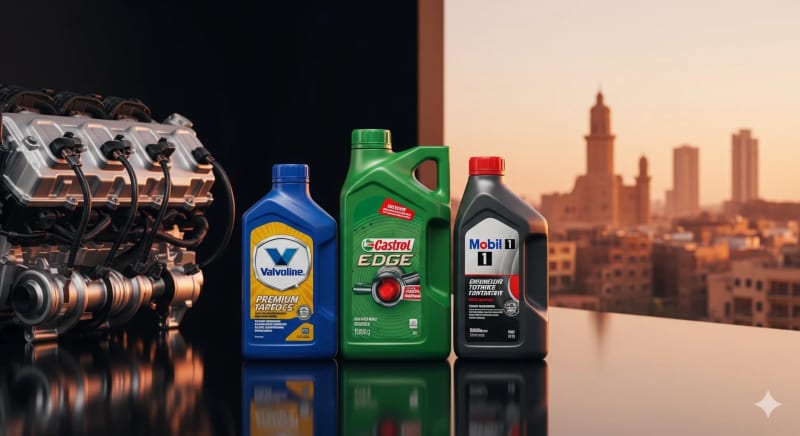
Castrol and Valvoline alternatives: Castrol Edge 0W-20, 5 quart, Castrol Edge 5W-30, 5 quart and Valvoline SynPower 5W-30, 5 quart at $18.50
Budget-minded high mileage options: Valvoline MaxLife High Mileage Synthetic Blend 5W-20, 5 quart at $15.49
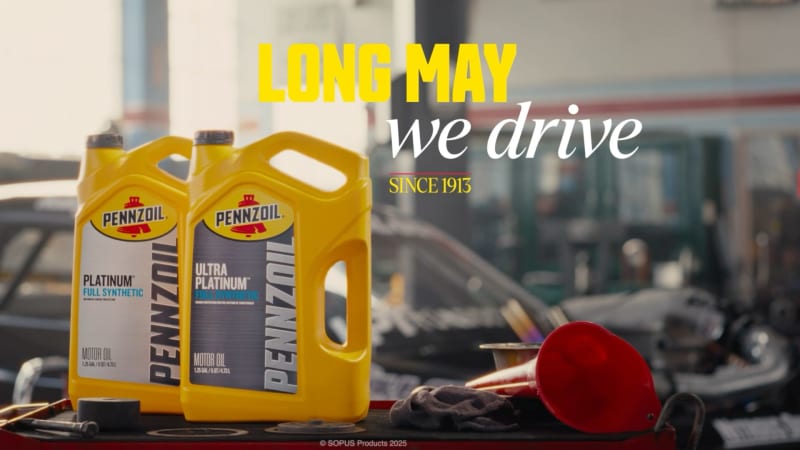
Drums for larger operations: Pennzoil Conventional 5W-20, 208 L at $549.98, Pennzoil Gold Synthetic Blend 5W-20, 208 L at $629.98 and Pennzoil Platinum Full Synthetic 5W-20, 208 L at $835.98
For deeper dives into these grades, see our guides comparing Mobil 1 0W-20 and 0W-16 and Castrol Edge 5W-40 and 0W-20, and browse the full motor oil category.
Winter fleet prep: coolant, driveline fluids, grease and fuel care
Engine oil isn’t the only thing a cold snap exposes.
Coolant and antifreeze. The antifreeze category includes the PEAK Fleet Charge Pink 50/50 at $9.99, a Prestone Yellow 50/50 at $7.00 and, for shops that service many Ford vehicles, the Motorcraft 55-gallon drum at $542.00. Match the coolant type to your vehicles’ specifications.
Transmission and driveline fluids. Browse the transmission fluid category, including the Valvoline Conventional ATF in a 5-gallon pail. For heavy-duty needs, there’s Mobil Delvac Automatic Transmission Fluid, Castrol Syngear 75W-90 in a 5-gallon pail and the Castrol Transmax manual transmission fluid in 5 gallons.
Hydraulic oil and grease. Look at Valvoline Conventional Hydraulic Oil 46W in 5 gallons at $57.49, Valvoline Multi-Purpose Fluid 10W-30 in 5 gallons at $65.00, and multi-purpose grease in 14.1-ounce cartridges at $4.50 or a 35-pound pail at $109.00.
Brake fluid. The brake fluid category includes a Prestone 1-gallon DOT 3 at $15.99 for shops that bleed brakes regularly.
Diesel fuel care. The LIQUI MOLY Diesel Cleaner is $12.99. Follow the label directions for your application.
How Sauto Mobils handles fleet and bulk orders
Planning ahead works best when the ordering rules are clear. Here’s how Sauto Mobils is set up, based on its published pages:
A $500 minimum cart for low-priced items. You can mix products to reach it, which suits fleets buying oil, coolant and fluids together. Details are on the payment and ordering page.
Volume pricing. Tiered discounts apply at higher quantities, as shown on each product listing and explained on the bulk pricing page.
Shipping built for heavy items. Standard and express options, tracking and special arrangements for items over 100 pounds are described on the shipping and delivery page. A 5-gallon pail and a 208-liter drum ship very differently, so request a quote for drums.
Returns and warranty in writing. The returns and warranty page describes a 30-day return window for eligible, unused items. Confirm how it applies to oils and other fluids before you order.
Real people to call. The team is based in Little Rock, Arkansas, with phone, email and WhatsApp support listed on the site.
A straight answer on supply: Sauto Mobils can’t increase global Group III supply or guarantee that any product stays in stock. Prices and availability can change quickly right now, so check each listing and ask the team before committing to a large order.
What fleet customers say
“Bulk orders are easy and always on time. Sauto Mobils is my go-to.” — Pedro Alvarez, Delivery Fleet Manager, El Paso, TX
“Managing a fleet is easier with Sauto Mobils. Bulk discounts are a plus!” — Mohammed Ali, Fleet Supervisor, Newark, NJ
“Managing a fleet of 50 vehicles requires reliable parts. Sauto Mobils delivers quality products on time, every time.” — Mike Davis, Fleet Manager, Chicago, IL
Frequently asked questions
What is Group III base oil?
It’s an API base oil category made from severely hydrocracked, highly refined stock. It’s the main ingredient in most full synthetic and many synthetic blend motor oils.
Is “Grade 3 base oil” the same as Group III?
In everyday searches, yes. People using “Grade 3” usually mean API Group III.
Is there still a Group III base oil shortage in November 2026?
Yes. Industry reports describe tight supply, with only a small number of cargoes recently moving, and groups like ILMA don’t expect Group III supply to normalize until mid to late 2027.
Why are synthetic oils hit harder than conventional?
Synthetic oils, especially low-viscosity grades such as 0W-20 and 0W-16, rely heavily on Group III base oils, which are the most supply-constrained.
Will fleet oil prices keep rising?
Analysts quoted by CCJ expect at least another 10% by year end. Future prices depend on shipping, refinery economics and the conflict, none of which anyone can predict reliably.
Should my fleet stock up?
Buying ahead in sensible quantities can reduce price risk and avoid emergency purchases, but only buy what you can store properly and use within a reasonable window.
Is it safe to use a different brand or viscosity if my usual oil is out of stock?
Only if the replacement meets your OEM’s specification. Different brands meeting the same spec are generally fine. Changing viscosity or specification without approval is not.
What are API CL-4 and FB-4?
They’re new heavy-duty engine oil categories scheduled for first licensing on January 1, 2027. Check your engine manufacturer’s guidance before moving any engine to a new category.
Can I extend oil change intervals to save money?
Only with data. Use your OEM’s guidance and oil analysis rather than stretching intervals blindly.
Does Sauto Mobils offer bulk motor oil for fleets?
Yes. See the bulk pricing page, the motor oil category and the full product catalog.
Ultimately
Group III base oil won’t be back to normal this month, and probably not this year. For fleets, the practical response is calm and methodical: know your specs, standardize where your OEMs allow, keep a backup source, buy ahead within reason, and let oil analysis, not guesswork, guide your intervals. When you’re ready to compare grades, sizes and brands, start with the Sauto Mobils motor oil category or the full product catalog, and review the bulk pricing, payment and ordering and shipping pages before you order.
Sources